Car AC Repair in Las Vegas: Costs, Causes, and Where to Go
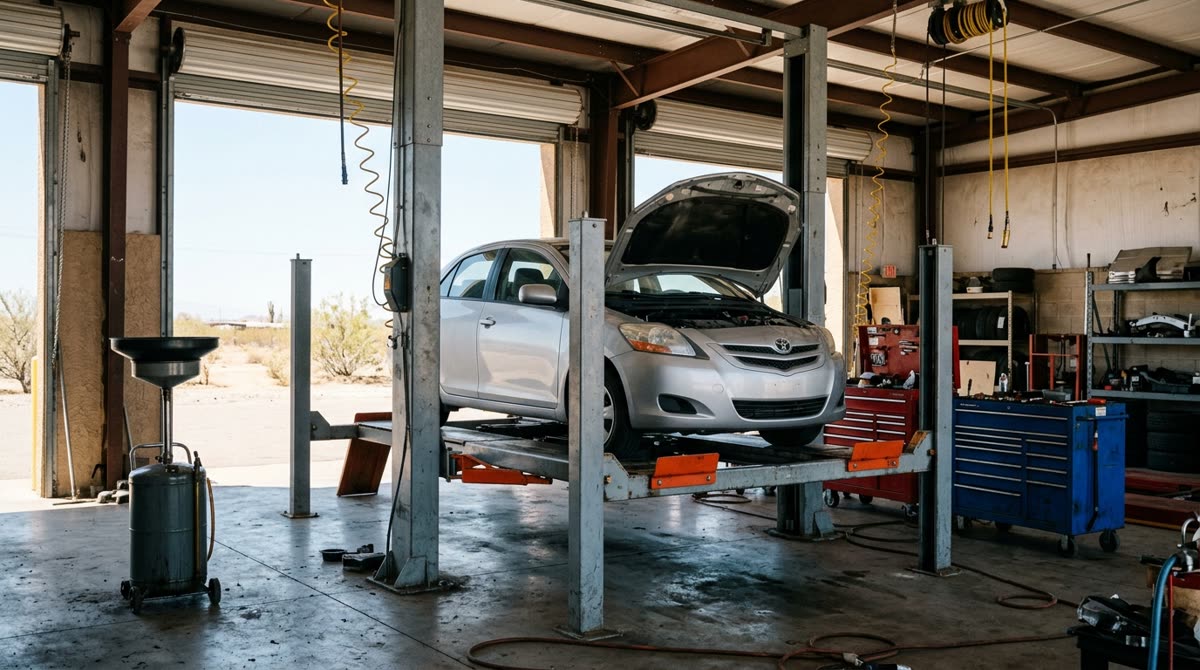
If your car air conditioner blows warm air on a Las Vegas summer afternoon, you already know it is more than an annoyance. This guide walks through what car AC repair in Las Vegas usually involves, the most common reasons a system stops cooling, and how to tell a quick fix from a bigger job. We work on home and building comfort systems, not vehicles, but the desert heat wears on every cooling system the same way, and we put this page together to help drivers understand the problem before they hand over the keys.
Why Car AC Fails Faster in the Las Vegas Heat
Las Vegas asks a lot of any cooling system. When outside temperatures push well past 100 degrees, a car air conditioner runs at full strength for most of the drive. That constant load speeds up wear on the compressor, seals, and rubber lines, so parts that might last for years in a mild climate can give out sooner here.
Heat also thins the refrigerant oil and stresses electrical connections. Add fine desert dust that clogs the condenser and cabin filter, and you have a system fighting several problems at once. This is why many local drivers notice their AC weakening in mid-summer, exactly when they need it most.
Common Causes When Your Car AC Stops Cooling
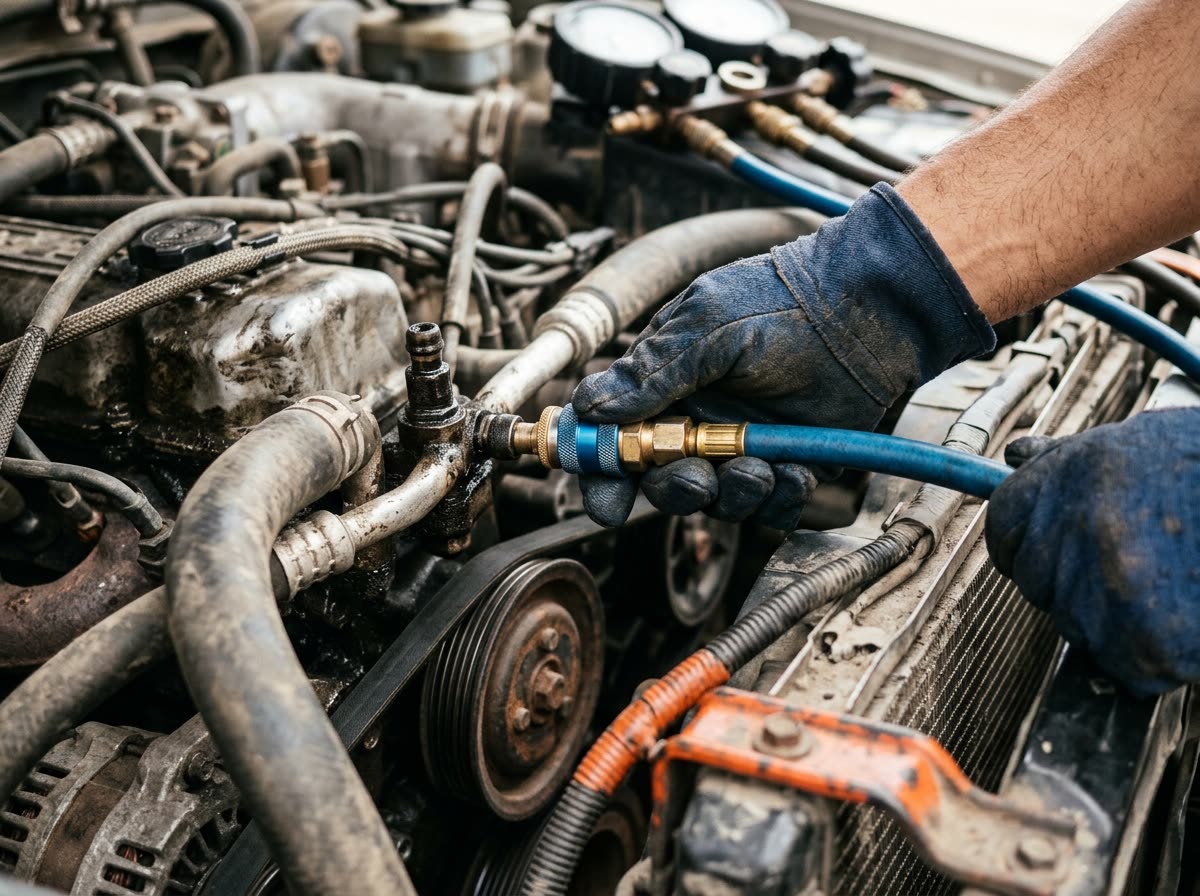
A few problems show up again and again. Low refrigerant, usually from a slow leak, is the most frequent reason cool air fades over time. A failing compressor, the pump that moves refrigerant, is a larger repair and often signals its trouble with odd noises or air that never gets cold.
Other culprits include a clogged condenser, a worn cabin air filter, a broken blower motor, or an electrical fault in a relay or sensor. A quick self-check helps: notice whether the air is warm or just weak, whether you hear the compressor click on, and whether the airflow itself has dropped. Those clues point a technician toward the right test.
What Car AC Repair in Las Vegas Usually Costs
Repair cost depends on the cause. A refrigerant recharge sits at the low end, while replacing a compressor or evaporator lands much higher because of the parts and labor involved. A shop that finds and fixes a leak before recharging will save you money over one that simply tops off refrigerant and sends you out the door.
Before you approve any work, ask for a diagnosis in plain terms. A good shop will explain what failed, why it failed, and what happens if you wait. Getting a written estimate lets you compare options and avoid paying for parts your car does not need.
Where to Go and How to Pick a Shop
For car AC repair, choose an auto shop or dealership that services air conditioning specifically and can pull refrigerant with proper recovery equipment. Look for technicians who diagnose before they replace, back their work with a warranty, and answer your questions without pressure.
As a Las Vegas comfort company, our own trade is heating and cooling for homes and businesses, so we cannot service your vehicle. We share this page because we live in the same heat, and we want your search to start with clear information instead of a warm cabin and a mystery.
Frequently Asked Questions
Q: Why does my car AC blow cold at first, then turn warm? A: This pattern often points to low refrigerant from a leak or a compressor that struggles under heavy load. As the drive continues and demand climbs, the system can no longer keep up, so the air warms.
Q: Is a refrigerant recharge enough to fix my car AC? A: Sometimes, but a recharge alone treats the symptom, not the cause. If refrigerant is low because of a leak, the cool air will fade again. A proper repair finds and seals the leak first.
Q: How long does car AC repair take? A: A simple recharge or filter swap may take under an hour, while a compressor or evaporator replacement can take most of a day. Your shop can give a time estimate once it identifies the failed part.
Q: Does Air Supply Cooling repair car air conditioners? A: No. We service home and building HVAC systems in the Las Vegas area, not vehicles. This guide is here to help drivers understand the problem before visiting an auto shop.