Why Las Vegas Rewards HVAC Skills
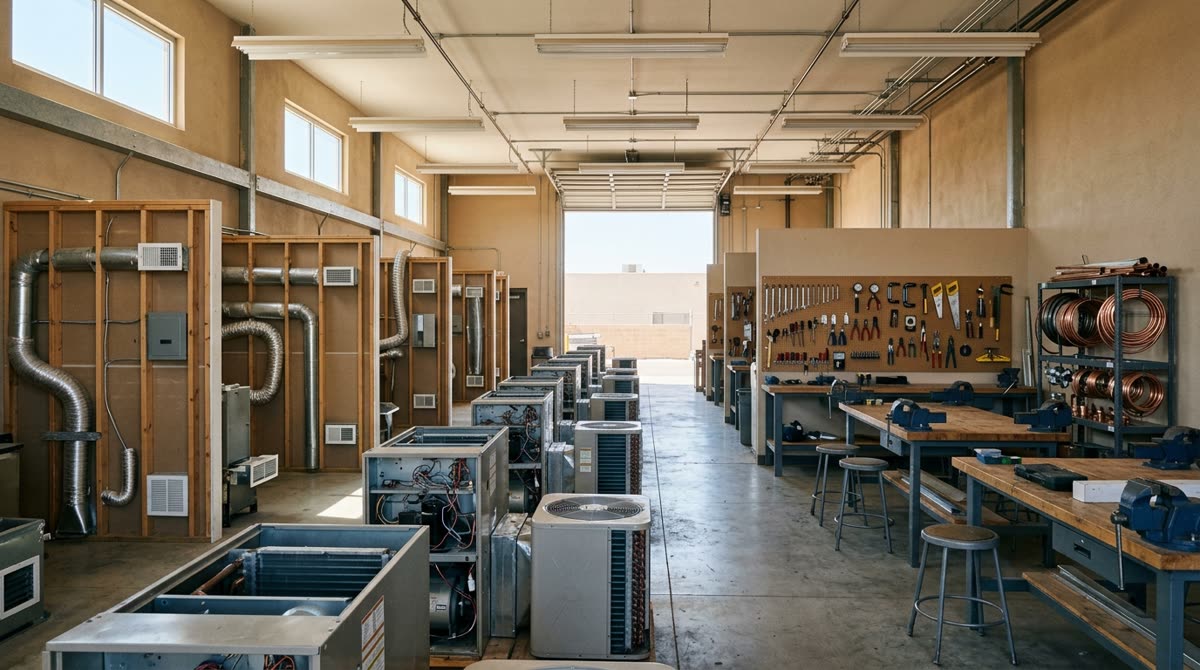
What Shapes an HVAC Technician Salary in Las Vegas
Several factors drive the HVAC technician salary in Las Vegas, and experience sits at the top of the list. A brand-new apprentice earns less than a seasoned tech who can diagnose a failed compressor in minutes and repair a rooftop unit without a callback. As you build hands-on skills, you climb the pay ladder.
Certifications also move the needle. Techs who hold EPA Section 608 certification, complete NATE testing, or master heat-pump and refrigeration work tend to earn more because they solve harder problems. Employers value people who can handle both residential and light commercial systems.
The desert climate matters too. Las Vegas summers push cooling equipment to its limits, so companies need reliable technicians who can keep systems running through triple-digit heat. Steady demand and long cooling seasons help support competitive pay across the valley.
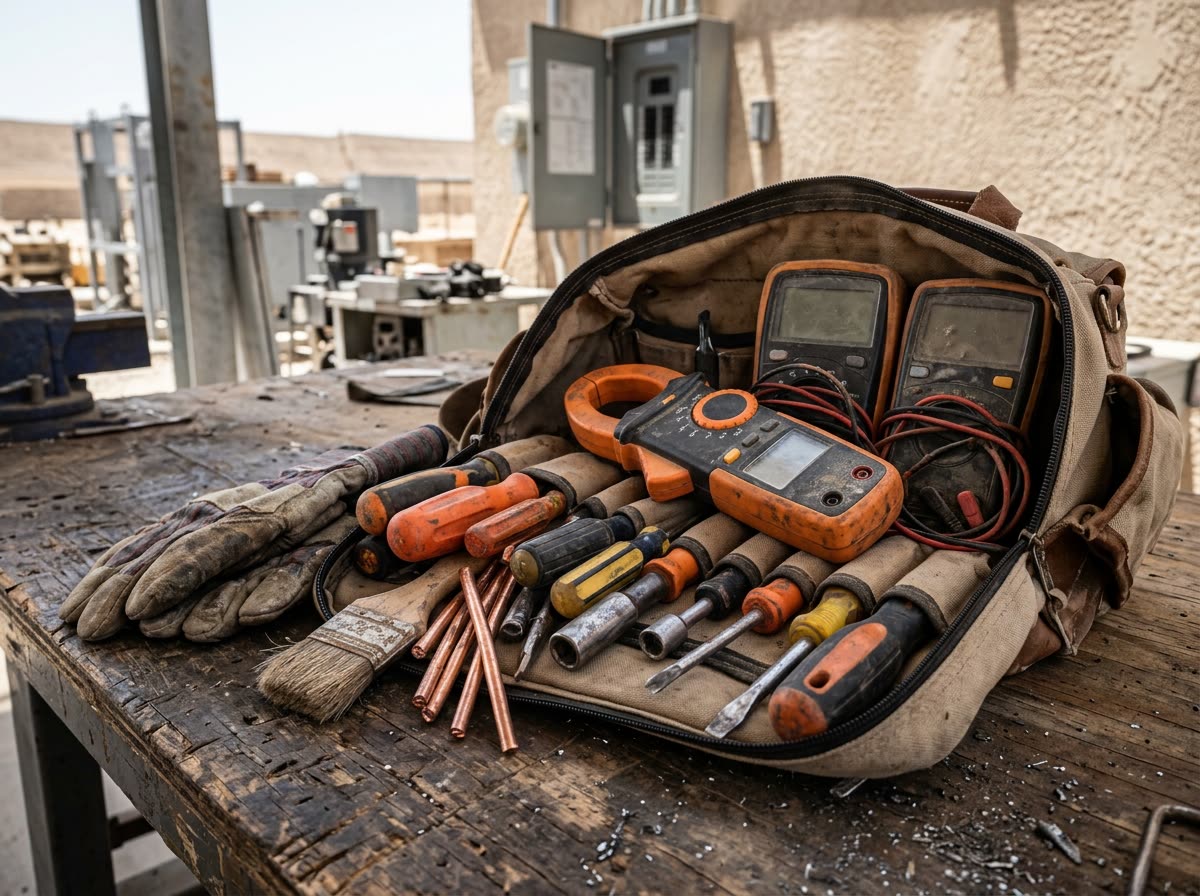
How Pay Grows Across an HVAC Career
Most technicians start as apprentices or helpers. In this stage you carry tools, learn to read equipment, and shadow senior techs on real service calls. Pay starts modest, but it climbs quickly as you prove you can work safely and solve problems.
After you gain experience and earn certifications, you become a journeyman technician. At this level you run your own service calls, diagnose faults, replace parts, and install new systems. Journeymen often earn noticeably more than helpers because they carry real responsibility.
From there, many techs move into lead roles, install-crew leadership, or service management. Some open their own shops. Others specialize in commercial refrigeration or building controls, which can raise earning power further.
Ways to Boost Your HVAC Las Vegas Salary
If you want to raise your HVAC Las Vegas salary, start by stacking certifications. Adding EPA credentials, NATE certifications, and manufacturer training makes you more valuable and opens doors to better-paying work.
Learning to install and service a wide range of equipment also helps. Technicians who can handle mini-splits, heat pumps, package units, and light commercial systems can take more jobs and command higher pay. Strong customer skills matter too, since techs who communicate clearly earn repeat business and referrals.
Finding HVAC Technician Jobs in Las Vegas
The market for HVAC technician jobs in Las Vegas stays active because the valley keeps growing and equipment keeps aging. New homes, new businesses, and constant summer heat all create steady work for service and install crews.
When you look for a role, weigh more than the hourly rate. Ask about training, tools, take-home vehicles, benefits, and how busy the schedule stays through the year. A company that invests in its techs helps you build the skills that raise your pay over time.
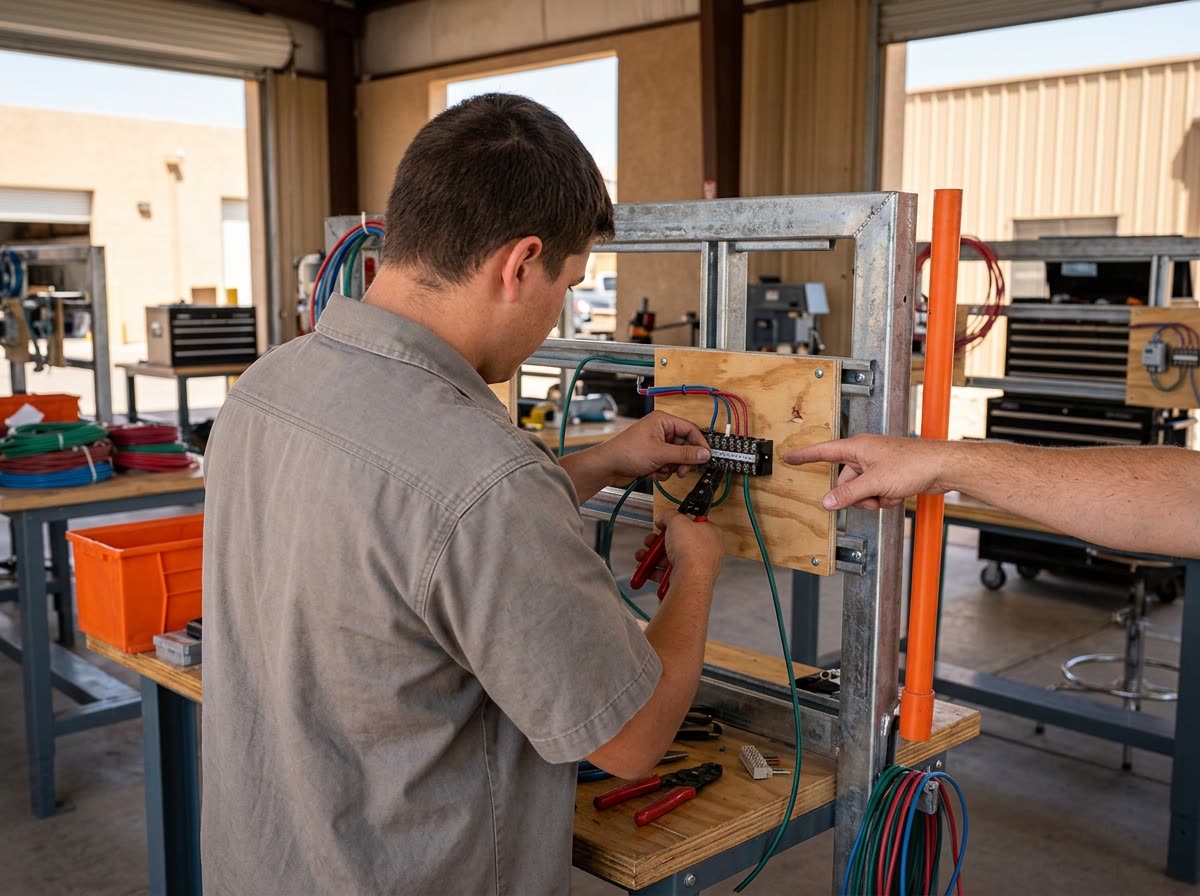
Frequently Asked Questions
Q: Is HVAC a good career choice in Las Vegas? A: For many people, yes. The desert climate keeps cooling systems working hard, which supports steady demand for skilled technicians who can service and install equipment across the valley.
Q: What raises an HVAC technician salary the most? A: Experience and certifications carry the most weight. Techs who can diagnose problems quickly, hold EPA and NATE credentials, and handle a wide range of systems tend to earn more.
Q: Do I need certification to work as an HVAC tech? A: You need EPA Section 608 certification to handle refrigerants legally. Additional certifications like NATE are not always required, but they help you qualify for better roles and higher pay.
Q: How long does it take to move up in HVAC? A: It varies by person and company. Many techs move from apprentice to journeyman within a few years by gaining hands-on experience, earning certifications, and taking on tougher service calls.